04 / 10
Starship reaches orbit and deploys 26 satellites
SpaceX’s Starship reached orbit for the first time, but ended its planned test flight after about three hours.
What happened
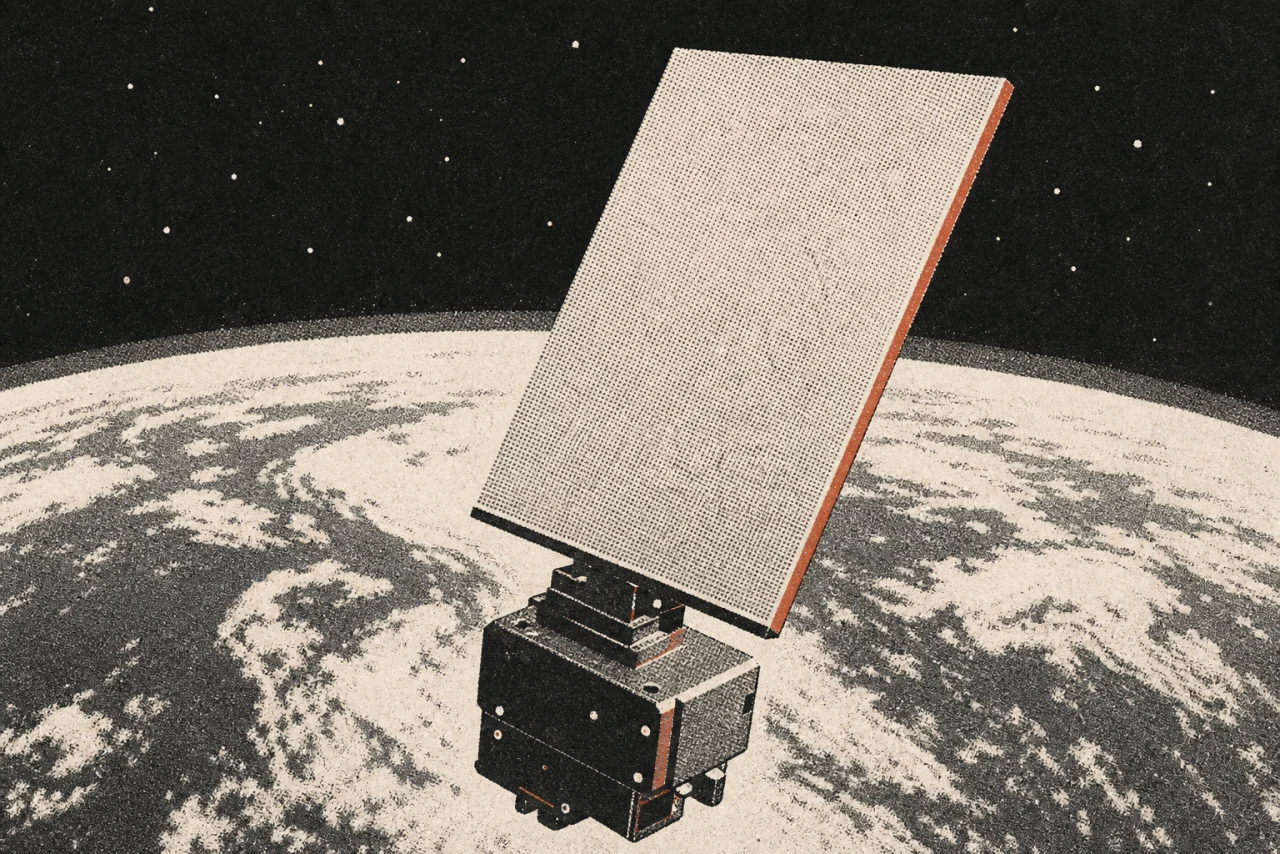
The rocket launched from Starbase, Texas, reached orbit and released its first batch of next-generation Starlink satellites. SpaceX ended the uncrewed mission early and the spacecraft splashed down in the Pacific Ocean. The test had been planned to last about 10 hours and complete six Earth laps.
Numbers
- 26 satellitesStarlink V3 satellites deployed
- About 3 hoursTime spent orbiting Earth — Flight ended ahead of plan
- About 10 hoursOriginally planned mission duration — Six Earth laps planned
- 60 satellitesClaimed Starship V3 payload capacity — Per SpaceX
Questions
- What did Starship deliver?
- It released 26 next-generation Starlink V3 satellites, intended to expand SpaceX’s broadband internet constellation around Earth.
- Why does reaching orbit matter?
- Orbit is a test of the vehicle SpaceX plans to make reusable for future cargo and crew missions beyond Earth.
- How does its payload compare?
- SpaceX says one Starship can carry 60 V3 satellites, about 20 times the capacity of its earlier Falcon 9 rockets.
- What happened to the booster?
- The Super Heavy booster separated roughly seven minutes after liftoff and landed in the Gulf of Mexico as planned.
Q1
Q2
Q3
Q4
The catch
SpaceX gave no reason for ending the mission early; the trigger remains unreported.
The planned duration was not completed.